26 Aug 2026
Integrating Prediction Contests Into Broadcast Platforms for Audience Retention
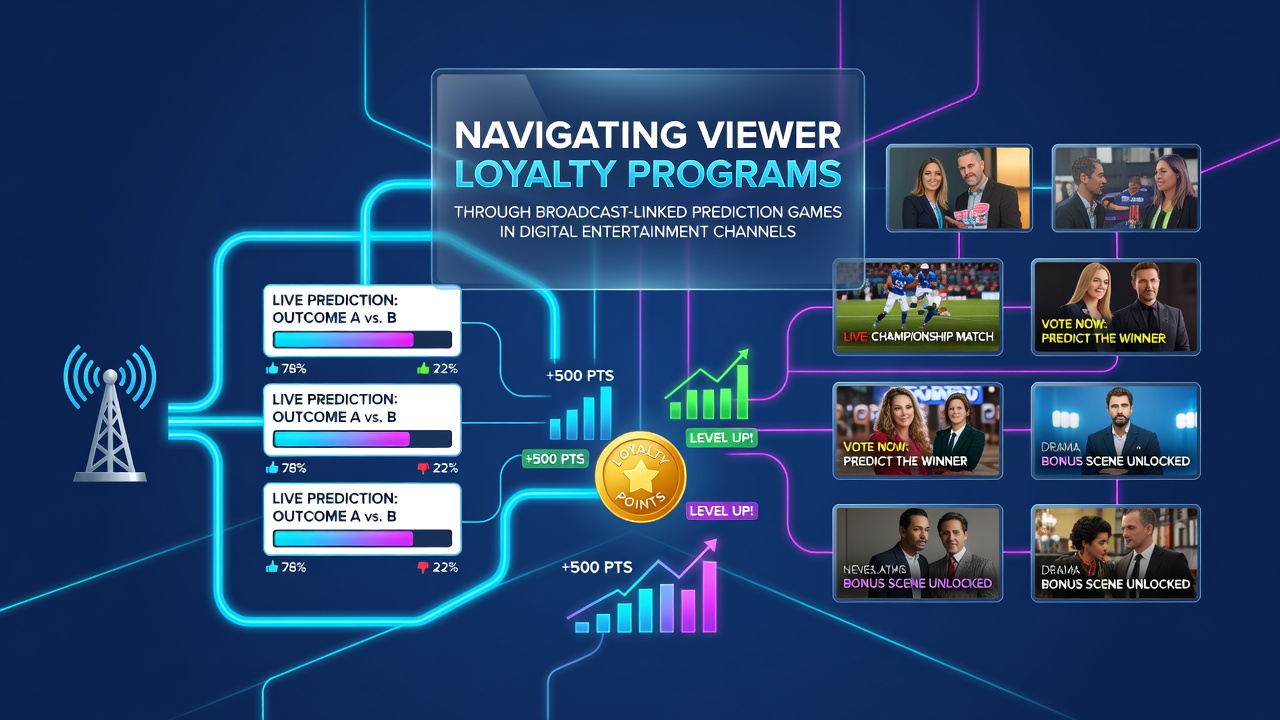
Digital entertainment channels have incorporated prediction contests directly into live broadcasts, creating structured loyalty programs that reward consistent viewer participation with points, badges, and redeemable rewards, and observers note these systems operate through synchronized mobile apps or on-screen prompts that align with scheduled programming. Research from industry reports indicates participation rates climbed steadily through 2025, with platforms reporting millions of weekly forecasts submitted across sports, reality competitions, and scripted series.
Mechanics of Broadcast-Linked Prediction Systems
Viewers select outcomes before or during segments of a broadcast, then receive confirmation once results finalize, adn the process links each correct prediction to tiered loyalty points that accumulate toward higher membership levels or exclusive content access. Data shows these mechanics encourage repeated logins because rewards unlock progressively, while incorrect forecasts still generate engagement through leaderboards and community comparisons. Platforms coordinate timing with producers so questions appear at natural breaks, maintaining narrative flow without disrupting the primary viewing experience.
Technical Integration Across Devices
Apps pull real-time metadata from broadcast feeds to populate prediction options, ensuring synchronization remains accurate even when viewers switch between smart TVs, tablets, and phones, and developers use APIs from content providers to maintain consistency. In August 2026 several major streamers expanded these connections to include second-screen overlays that update automatically when new data arrives from the production team. Those who have studied platform architectures report that latency under two seconds has become standard for top-tier services.
Viewer Loyalty Structures and Reward Pathways
Loyalty programs categorize participants by activity streaks, total predictions made, and accuracy percentages, then grant escalating benefits such as early access to episodes or merchandise discounts, and figures reveal that users reaching mid-tier status tend to increase weekly viewing hours by measurable margins. Rewards often extend beyond digital perks to include physical items or event tickets when partnerships with sponsors activate, creating additional revenue streams for the platforms themselves. Observers note that transparency in point allocation remains essential because participants track their progress through detailed dashboards updated after each broadcast cycle.
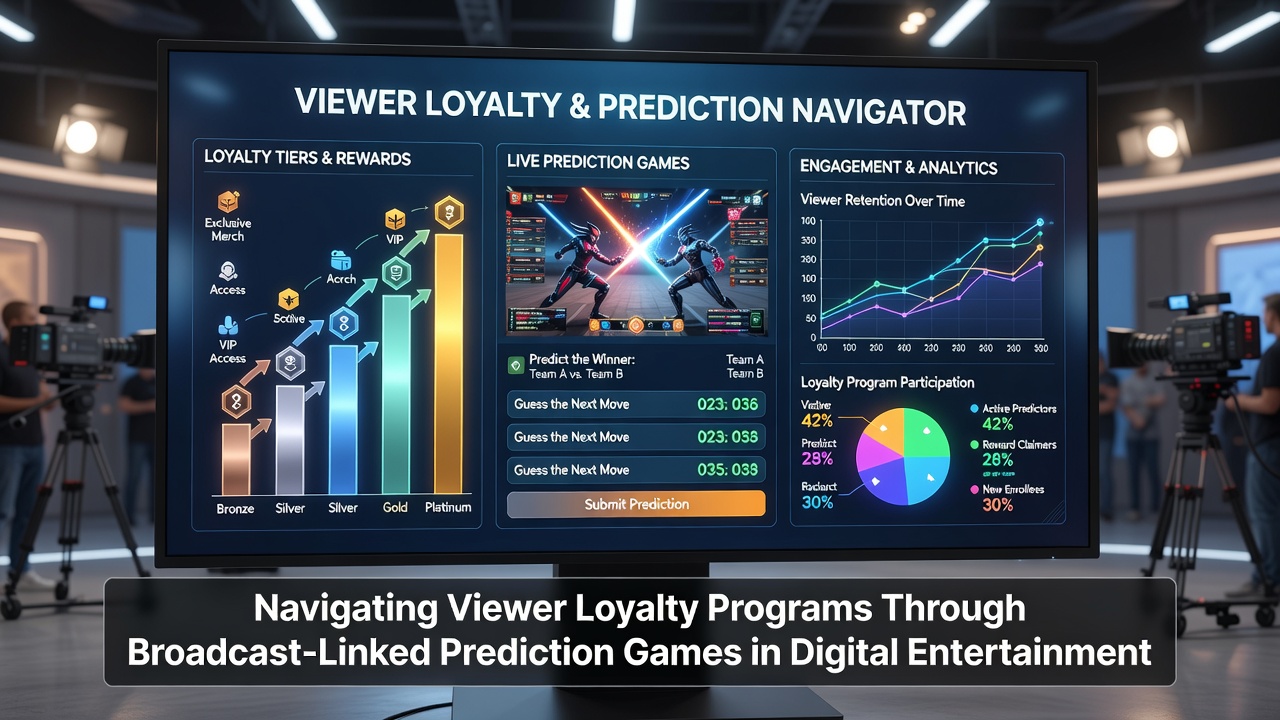
But here's the thing: retention improves most when prediction games tie into ongoing storylines rather than standalone events, because emotional investment in characters or teams carries over across episodes. Platforms track these patterns through anonymized user data and adjust question difficulty accordingly to sustain interest without causing frustration.
Regulatory Frameworks and Industry Standards
Authorities in multiple regions oversee these programs to ensure fairness and data protection, and the Canadian Radio-television and Telecommunications Commission published updated guidelines in early 2026 addressing transparency in algorithmic scoring. Similar oversight appears in European markets where the European Broadcasting Union issued recommendations on viewer consent and reward disclosure. Platforms must maintain clear terms that separate entertainment features from any form of financial wagering, and compliance teams review each new contest format before launch.
Global Variations in Implementation
Australian services emphasize integration with free-to-air channels while Canadian operators focus on bilingual support, and both approaches demonstrate how local regulations shape reward structures without altering core prediction logic. Researchers at academic institutions have examined these differences and found that culturally adapted question styles increase completion rates across demographics.
Future Developments Expected by August 2026
Platform engineers continue testing AI-assisted question generation that adapts to individual viewing histories, and preliminary deployments suggest higher satisfaction scores when prompts feel personalized yet remain accessible to new users. Industry analysts project further expansion into live event coverage outside traditional sports, including award shows and talent competitions, because the loyalty model scales efficiently once infrastructure exists. Those monitoring adoption trends note that cross-platform portability of points between services may emerge as a competitive differentiator in coming quarters.
Conclusion
Broadcast-linked prediction games now function as established components of digital entertainment loyalty ecosystems, supported by synchronized technology, tiered reward systems, and regulatory compliance across regions. Data from multiple sources confirms measurable impacts on viewer retention when these features integrate seamlessly with live content, and ongoing refinements scheduled through August 2026 indicate continued evolution in both mechanics and geographic reach. Platforms that maintain transparent operations while adapting to local standards position themselves to sustain long-term audience engagement.